
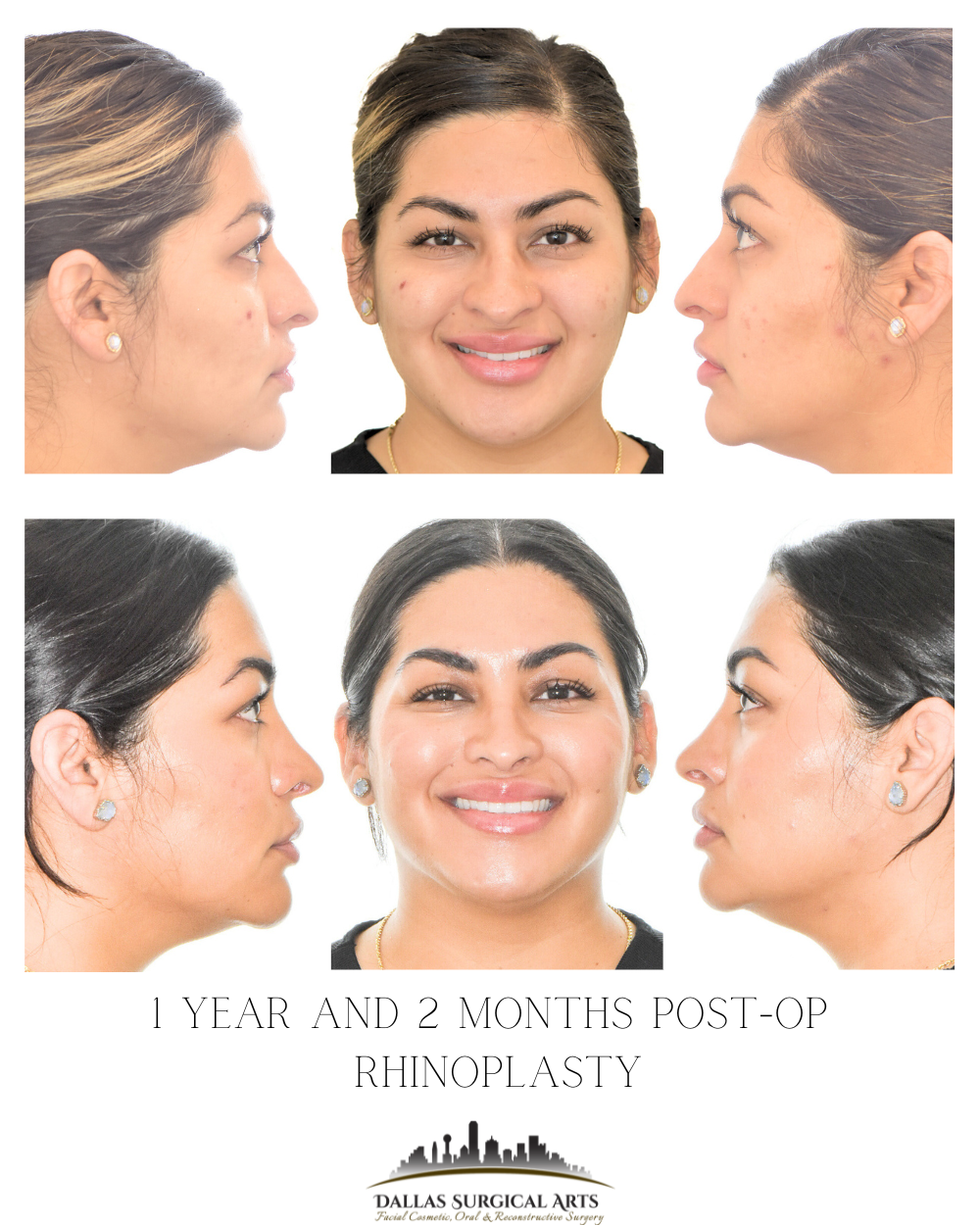
If you're someone who will often struggle with chronic nasal congestion, persistent sinus pressure, difficulty breathing and/or poor sleep quality, you may be interested to learn that this could actually be due to an underlying structural issue in your nose known as a deviated septum. Dr. Randy Sanovich at Dallas Surgical Arts is board-certified surgeon and a top cosmetic surgeon in Dallas, Texas who helps patients restore the function of their nose, and improve their breathing and quality of life through a type of nose surgery called septoplasty.
Frequently Asked Questions About Deviated Septum Surgery
Will septoplasty change the external appearance of my nose?
A standard septoplasty is strictly a functional medical procedure designed solely to improve how well you breathe. It will not alter the cosmetic shape, size, or profile of your nose. Patients who also wish to change their nasal aesthetics while fixing their breathing can opt for a septorhinoplasty. This combined procedure addresses both functional repairs and cosmetic enhancements simultaneously during a single surgery.
Is the recovery process painful?
Pain levels following a modern septoplasty are generally very low. Thanks to the gentle, tissue sparing surgical techniques Dr. Randy Sanovich uses, the recovery is quite manageable. You will typically feel more stuffy and congested than in actual pain.
When will my breathing improve?
Internal swelling is a completely normal expectation immediately following your surgery. Because of this swelling, you will not breathe perfectly on day one. However, the majority of patients notice a significant and dramatic improvement in their nasal airflow within one to two weeks as that initial inflammation finally subsides.
About Septoplasty
Ideally, this wall of cartilage in your nose (septum) will sit perfectly in the middle of your nose, however, many patients come to our office complaining of a septum that is at least slightly off-center. While minor deviations are completely normal and rarely cause any noticeable problems, when this deviation is severe, it can cause a significant airflow blockage in one or both of your nasal passages. When this happens, it's time to seek a septoplasty from a board-certified surgeon like Dr. Sanovich.
The Shift to Preservation Techniques
When you struggle to breathe through your nose, every part of your day becomes a challenge. Patients who struggle with chronic nasal congestion, persistent sinus pressure, or poor sleep quality typically are suffering from a condition like a deviated septum which can be corrected through a specialized facial procedure called a septoplasty.
In the past, nasal surgery frequently involved more aggressive techniques that led to longer recovery periods. At Dallas Surgical Arts, the focus is on function and preservation techniques, which involves reshaping and preserving your natural nasal structure. The modern approach taken by Dr. Sanovich drastically reduces trauma to your surrounding tissues. For the patient, this translates to a much faster, far more comfortable recovery and a nose that retains its natural structural integrity over time!
Identifying a Deviated Septum
Severe deviations of the septum can be something you are born with due to genetics. They are also frequently the result of a past facial injury, such as a fall, a sports collision, or a motor vehicle accident. Many patients live with a deviated septum for years before finally seeking a professional medical diagnosis from a surgeon like Dr. Sanovich. If you're struggling to breathe, it is important to recognize the signs that indicate your septum might be obstructing your airway.
Chronic Nasal Obstruction: Many patients with a deviated septum feel that one side of their nose consistently feels blocked. This annoying sensation can become worse during spring allergy season or if you catch a common respiratory infection.
Sleep Disruption and Snoring: An obstructed nasal airway naturally forces you to breathe through your mouth while you sleep. This mouth breathing leads to loud, disruptive snoring and is a major contributor to obstructive sleep apnea, which ultimately causes chronic daytime fatigue and poor concentration overall.
Recurring Sinus Infections: Crooked nasal passages make it physically difficult for mucus to drain properly through your nose. When this happens, fluid stays stagnant in your sinus cavities, and creates a perfect environment for bacteria to grow. This leads to frequent, painful bouts of sinusitis that require medication to clear up.
Facial Pain and Headaches: A severely bent septum can actually press physically against the sensitive internal wall of your nasal cavity. This constant pressure acts as a trigger for chronic facial pain or persistent, nagging headaches that do not always go away with regular pain relievers.
Take the Next Step
Don't settle for poor sleep and chronic nasal congestion. Taking the first step toward better breathing by scheduling a comprehensive consultation with Dr. Randy Sanovich at Dallas Surgical Arts to get a thorough look at your case. Dr. Sanovich will help determine if deviated septum surgery is the appropriate treatment for your specific symptoms. Schedule at Dallas Surgical Arts today!